
Certification

Animal Welfare Primary Livestock Production Protocol
Animal welfare stems from an ethical, cultural, and religious decision with a direct impact on business. Certification enhances brand visibility and provides objective guarantees regarding the conditions in which animals are raised and handled, from birth to the end of their productive life. LSQA certifies compliance with the animal welfare protocol in primary livestock production, with a special focus on cattle.
What is the Animal Welfare Protocol in Primary Production?
It is a protocol that certifies that the raising, fattening, and/or milking of cattle—in pasture-based, feedlot, or mixed systems—is carried out guaranteeing the continuous provision of water and adequate feed, monitoring of body condition, access to shade and shelter, hygiene of corrals, calving pens, and milking parlors, and low-pressure handling and herding. It also requires staff training in animal welfare and first aid, and that animal husbandry practices (identification, branding, weaning, castration, and/or dehorning) are performed with analgesia or anesthesia and pain management.
The protocol also covers the preventive health plan (vaccination, deworming), early detection and treatment of diseases, management of downed animals, records of treatments and periods of isolation, and peripartum and calf care, including assistance at birth, timely provision of colostrum and management of rearing and weaning.
Animal welfare certification adds value to production, applicable to both the animal itself and its byproducts (hides, wool, horns, etc.). It improves competitiveness, reduces economic losses and litigation arising from animal abuse, and objectively ensures—through a certification body—a fair, ethical, responsible, and safe supply chain for the consumer.
The conceptual basis
The pillars of animal welfare in primary production
From breeding to death
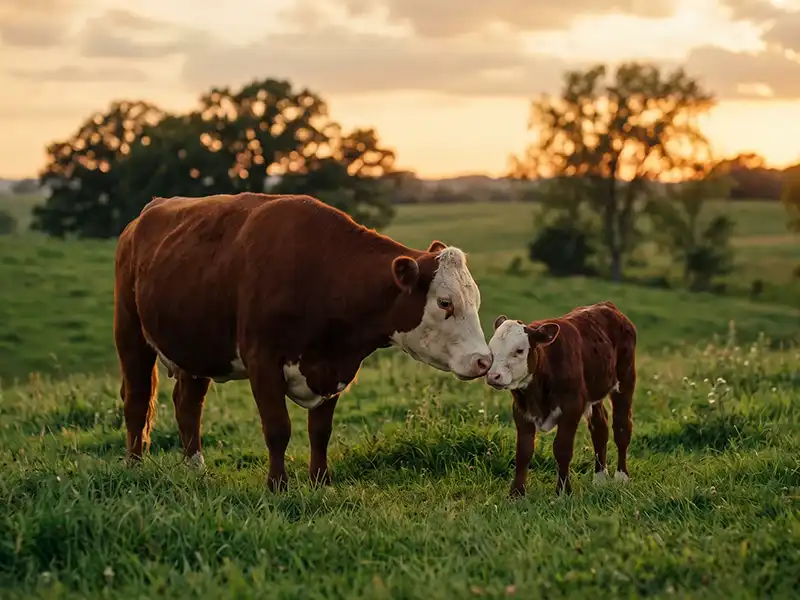
The protocol covers the conditions for raising and handling the animal throughout its entire productive life, from birth to the end of the cycle.
Pain management in animal husbandry practices
It requires that procedures such as dehorning, castration, or branding be carried out with analgesia or anesthesia measures, minimizing the animal's suffering.
Low pressure management
It promotes herding and handling techniques that reduce animal stress during daily routines on the farm.
Modules adapted by species
LSQA offers specialized certifications within cattle (calves, dairy, "grass fed", "never ever"), and also certifies animal welfare in pigs and poultry.
Why certify
Benefits of certifying animal welfare in primary production
It minimizes stress and suffering for animals throughout the entire production process.
It decreases mortality, illness, and injury, reducing associated losses and expenses.
It reduces carcass deterioration and improves the quality and safety of the final product.
It facilitates daily work routines and reduces risks for the establishment's staff.
It increases competitiveness in national and international markets and improves the organization's public perception.
Frequently asked questions
What is the Animal Welfare Protocol in Primary Livestock Production?
It is a certifiable protocol that guarantees that the breeding, raising, fattening and/or milking of cattle is carried out respecting animal welfare conditions in feeding, handling, health, infrastructure and zootechnical practices.
What type of organizations does it apply to?
It applies to livestock establishments that carry out breeding, raising, fattening and/or milking of cattle in pasture, feedlot or mixed systems.
What type of organizations does it apply to?
The primary production protocol is focused on cattle, but LSQA also certifies animal welfare in pigs and poultry, in addition to specialized modules within cattle such as calves, dairy, "grass fed" and "never ever".
What do I get by certifying this protocol?
LSQA issues a Declaration of Conformity with its own registration number, which certifies compliance with the animal welfare protocol in primary bovine production.
What is the validity period of the Declaration of Conformity?
The Declaration of Conformity is valid for 2 years from its date of issue, according to the certificate model used by LSQA for this protocol.
Certify the animal welfare of your primary livestock production with LSQA
Contact us and demonstrate your commitment to a fair, ethical, and responsible supply chain