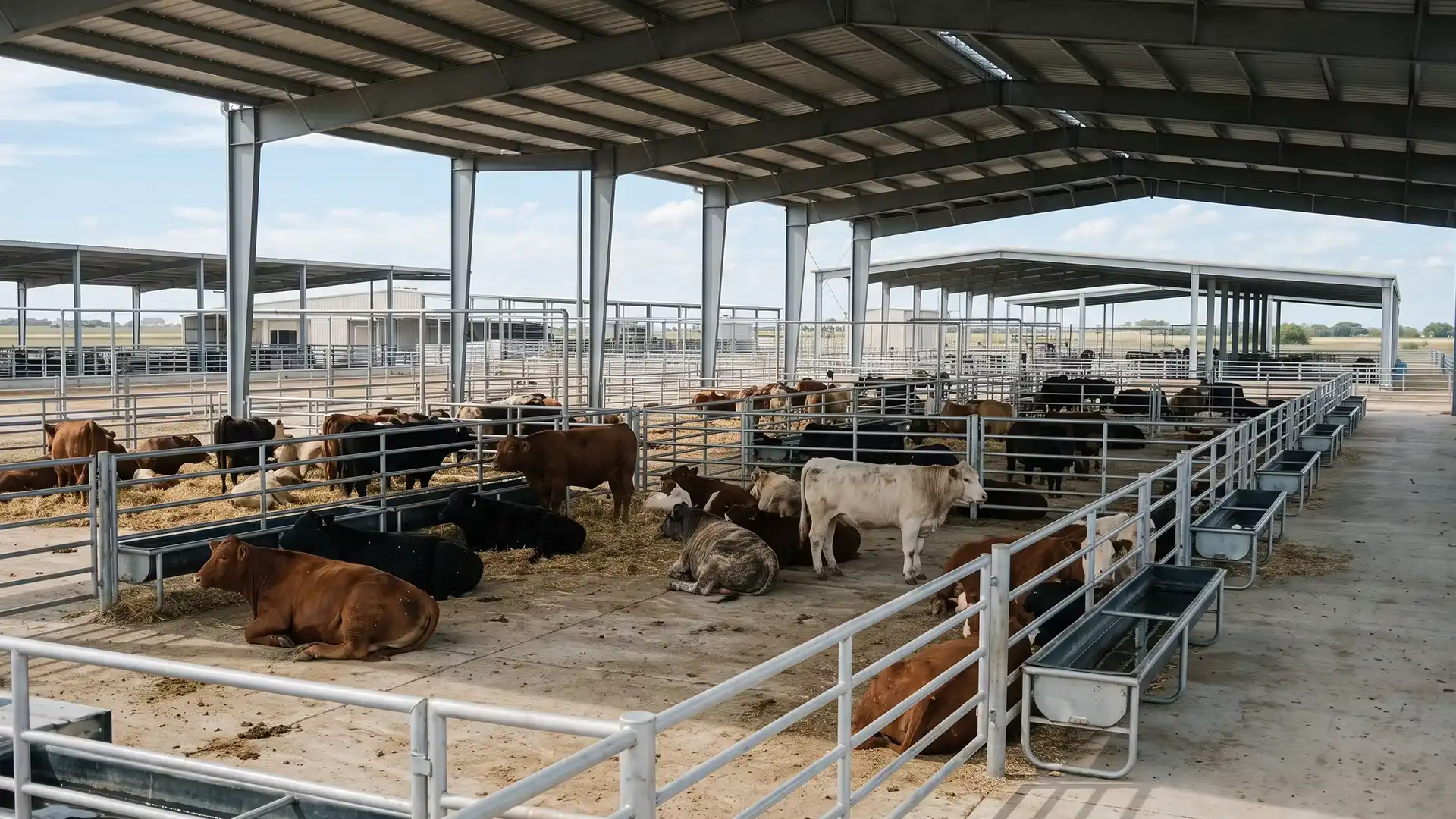

Certification

NAMI Animal Welfare Audit for the Meat Industry
Process Evaluation for the Meat Industry
The NAMI (North American Meat Institute) protocol establishes technical and operational standards used by major international chains, such as McDonald’s, to assess the quality, safety, and regulatory compliance of their beef suppliers. LSQA offers audit services under these guidelines for companies in the meat sector that are part of, or aim to join, global supply chains.
This service is key because:
- Helps identify risks and improvement opportunities, strengthening the slaughter plant’s management system for Animal Welfare, from the selection and evaluation of livestock suppliers and transport companies, through the processes carried out during livestock receiving at the plant, holding and handling in pens, and best practices to ensure humane, pain-free slaughter.
- Facilitates access to new markets and continued approval as a supplier to international chains, especially in high-requirement markets.
- Ensures traceability and compliance with specific animal welfare requirements and animal sanitary conditions.
- Is carried out by qualified PAACO auditors with experience in the sector.

What is a NAMI audit?
The NAMI audit evaluates the animal welfare system of a meat processing plant throughout the entire process: the selection and evaluation of animal suppliers and livestock transport companies, reception and unloading at the plant, antemortem inspection, housing and handling in the pens, and stunning and slaughter practices, with the aim of ensuring a humane and painless slaughter.
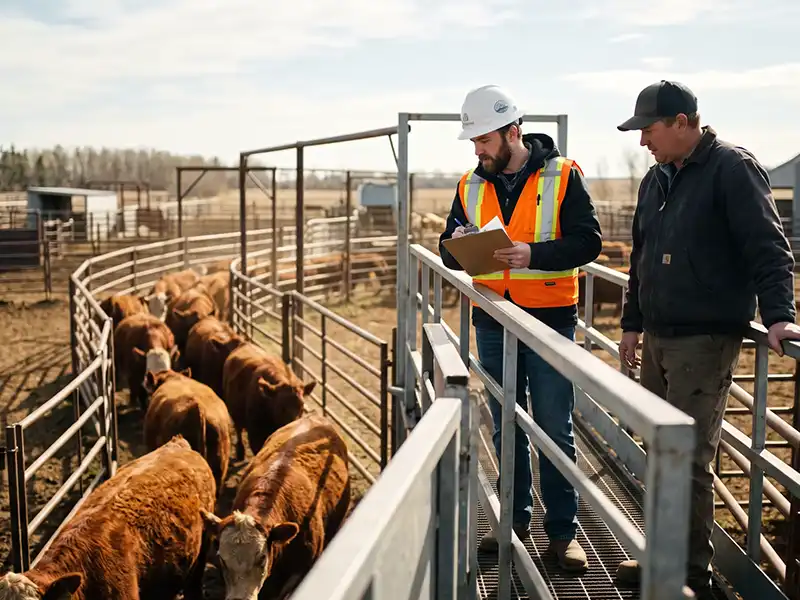
The assessment is based on the North American Meat Institute's Recommended Animal Handling Guidelines and Audit Guide and is conducted by PAACO-qualified auditors with industry experience. Upon completion, LSQA issues a Declaration of Conformity that the plant can present to its clients.
The conceptual basis
The pillars of the NAMI audit
Animal welfare throughout the entire chain
The assessment covers everything from animal suppliers and livestock transport to reception at the plant, housing in pens, and slaughter.
PAACO Qualified Auditors
The audits are carried out by auditors certified by PAACO, with specific experience in refrigeration plants.
Scheme required by international chains
It is a requirement that large chains, such as McDonald's, apply to their beef suppliers to ensure compliance with animal welfare standards.
Declaration of Conformity
The result is documented in a Declaration of Conformity issued by LSQA, and not in an ISO-type certificate.
Why audit yourself?
Benefits of the NAMI audit
It facilitates access to new markets and continued success as a supplier to demanding international chains.
Identify risks and opportunities for improvement in the plant's animal welfare system
Demonstrate compliance with specific animal welfare requirements to customers and buyers
Strengthens the management of animal suppliers and livestock transport companies
It reinforces good handling practices in corrals and humane and painless slaughter.
It is carried out by PAACO auditors with experience in the meat sector
Frequently asked questions
What is a NAMI audit?
It is an animal welfare audit in meatpacking plants, based on the guidelines of the North American Meat Institute, which are used by large international chains to evaluate their beef suppliers.
What type of organizations does it apply to?
It applies to meat processing plants that are part of, or want to be part of, global supply chains that require this protocol.
What document is issued upon approval of the audit?
LSQA issues a Declaration of Conformity, which indicates that the plant was assessed by a PAACO-certified auditor in accordance with NAMI guidelines. It is not an ISO certificate.
Who performs the audit?
PAACO qualified auditors, with experience in the meat industry.
Audit the animal welfare of your plant with LSQA
Contact us and gain access to supply chains that require the NAMI protocol