
Certification

Child Restraint Systems (Car Seats) Road Safety
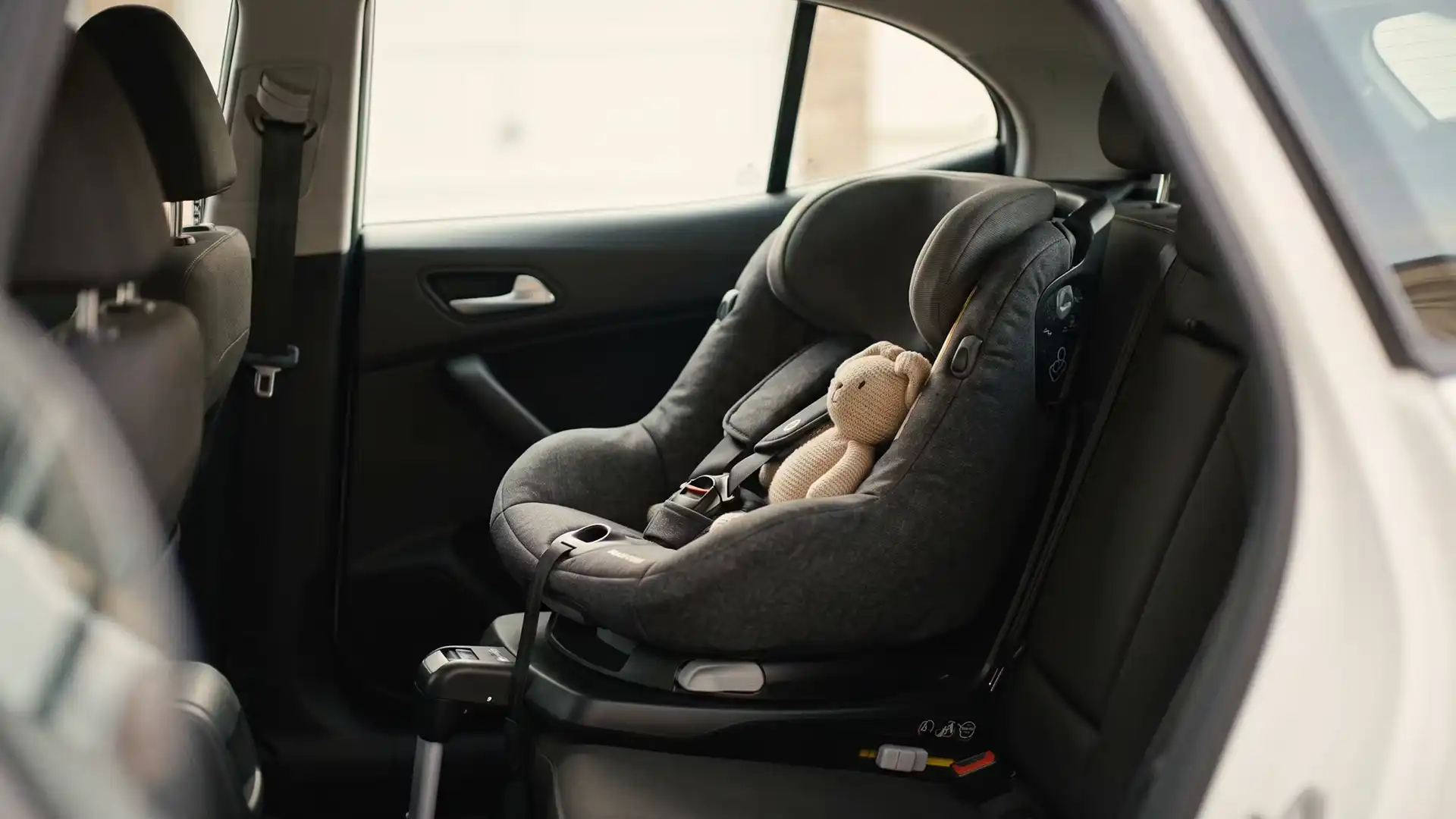
Since the approval of Law No. 19.061, the use of Child Restraint Systems (car seats and boosters) has been mandatory in Uruguay for all children from 0 to 12 years old who are up to 1.50 m tall. The same law requires that all car seats sold in the country comply with an internationally recognized technical standard. LSQA is the certification body that verifies this compliance for importers and manufacturers.
What is Child Restraint System Certification?
A Child Restraint System (CRS) is a device designed to secure a child inside a vehicle and reduce the risk of injury in the event of a collision or sudden braking. For a model to be imported or sold in Uruguay, it must demonstrate compliance with an international safety standard, such as UNECE R44 and UNECE R129 (i-Size) regulations or the US standard FMVSS 213.
LSQA evaluates and certifies each model against the applicable technical standard. With this certification, the National Directorate of Industries of the Ministry of Industry, Energy and Mining (MIEM) issues the import or marketing license for the product. Uruguayan regulations have been updated to incorporate UNECE R129, which adds new safety tests and raises the requirements compared to R44.
The conceptual basis
The pillars of SRI certification
Legal obligation
Law No. 19.061 makes the use of child restraint systems (CRS) mandatory and requires that all car seats entering the country for sale comply with an internationally recognized technical standard.
International technical standards
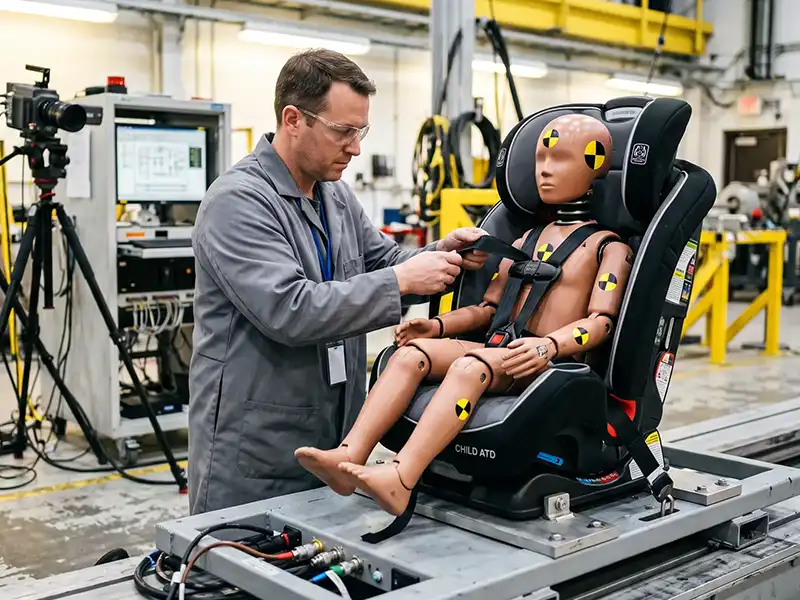
Certification is carried out against recognized regulations, such as UNECE R44, UNECE R129 (i-Size) or FMVSS 213, depending on the origin and design of the model.
Certification by model
Each car seat model is evaluated, considering its category, design, materials, and anchoring system (belt, ISOFIX, or LATCH).
Requirement for MIEM license
The LSQA certificate is the basis for the National Directorate of Industries to issue the import or marketing license.
Why certify
Benefits of certifying your Child Restraint Systems
It is a legal requirement to import or sell car seats and booster seats in Uruguay
Enables obtaining the MIEM import or marketing license
It demonstrates that each model complies with an international technical safety standard.
Avoid delays, rejections, or product recalls due to regulatory non-compliance.
It gives parents and distributors confidence in the product's safety
It helps reduce serious injuries and deaths of children in traffic accidents.
Frequently asked questions
What is Child Restraint System Certification?
It is the certification that verifies that a car seat or booster model complies with an international technical safety standard, a mandatory requirement to market it in Uruguay.
Who does this certification apply to?
To importers, manufacturers and distributors of car seats and boosters sold in Uruguay.
Is it mandatory?
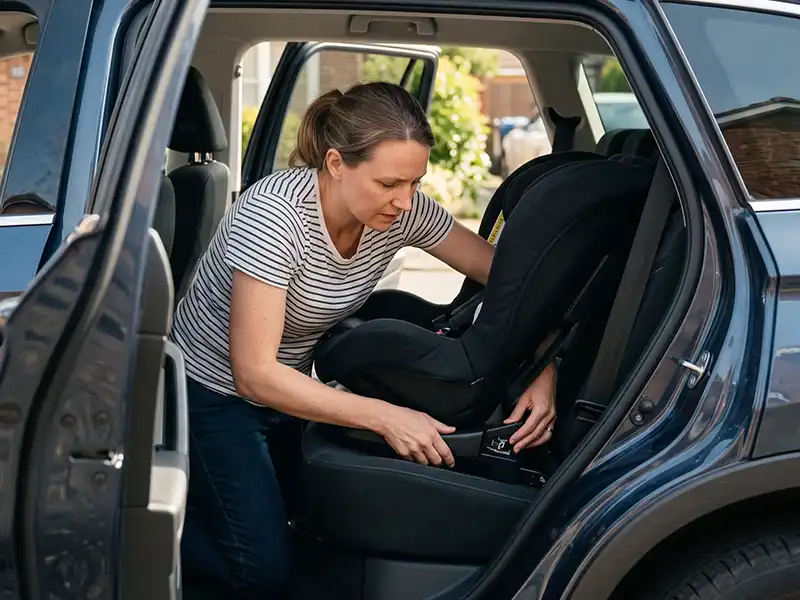
Yes. Law No. 19.061 requires that all child restraint systems entering the country for sale comply with an internationally recognized technical standard, and the MIEM license is processed with that certification.
What technical standards are accepted?
Compliance with international regulations such as UNECE R44, UNECE R129 (i-Size) and FMVSS 213 is evaluated. Uruguayan regulations recently incorporated R129, which adds new tests and raises safety requirements.
Certify your Child Restraint Systems with LSQA
Contact us and meet the requirements to import and sell car seats in Uruguay